

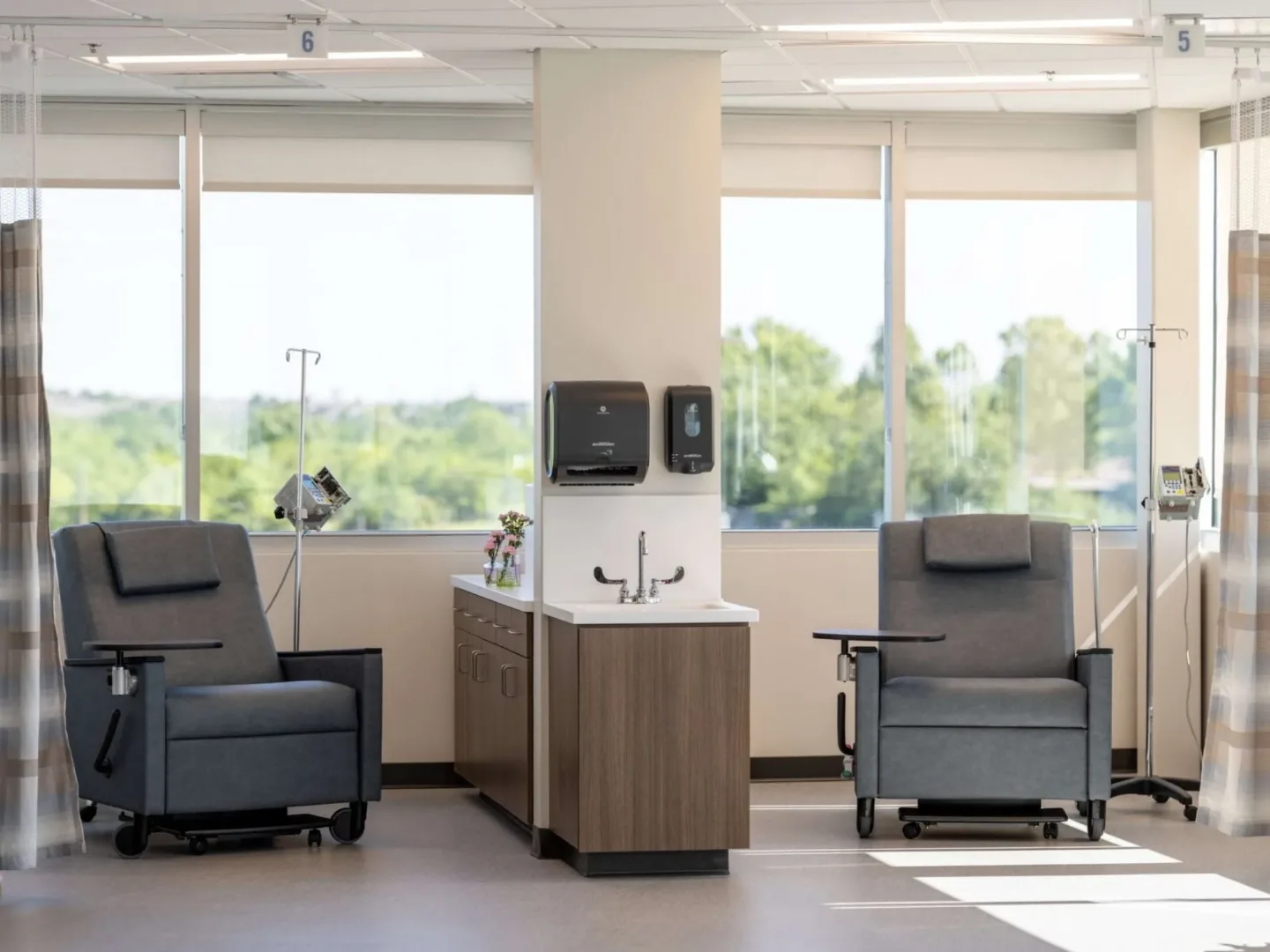
Medical practices face unique challenges that traditional offices do not. Healthcare providers need spaces that support patient comfort, clinical efficiency, staff productivity, and strict regulatory standards. Privacy regulations, sanitation requirements, accessibility standards, and specialized equipment all shape how a healthcare space should function.
A well-designed healthcare office can improve patient experiences from the moment they walk through the door. It also helps providers and staff manage daily workflows with fewer disruptions. From reception areas to treatment rooms, every square foot should serve a clear purpose.
Strong medical office space planning creates an environment where every part of your practice works together smoothly. This guide walks healthcare providers through practical planning steps for patient-friendly medical environments.
What Should Healthcare Providers Consider Before Planning Medical Office Space?
Every healthcare practice has different operational needs. A family practice, dental office, physical therapy clinic, or specialty medical center will each require unique layouts based on patient volume, staffing, equipment, and treatment types.
Before designing a space, providers should assess both current demands and consider plans for future growth.
Workflow and Compliance Considerations
Workflow is one of the most important factors in medical office space planning. Staff should be able to move efficiently between workstations, patient rooms, storage areas, and administrative offices without unnecessary delays. Patients should also experience smooth navigation from check-in to treatment without confusion or stress.
A clear budget at this stage helps your team identify and prioritize the most important features first for optimal workflow.
Compliance is another top priority for every healthcare facility. Medical offices must meet ADA accessibility guidelines, HIPAA privacy standards, and sanitation protocols that support patient safety. Each detail must be considered carefully to protect both patients and staff. Working with a planning partner familiar with these requirements helps your project stay on track.
How Does Layout Impact Patient Experience?
The patient experience often begins at reception. Waiting rooms should feel welcoming, organized, and comfortable without appearing overcrowded. Seating, lighting, and privacy considerations all help reduce patient stress and create a professional first impression that lasts.
Exam rooms and treatment areas must balance efficiency with comfort. Providers need enough room for medical equipment, staff movement, and patient care, along with a calm and organized setting. Clear pathways and logical room placement also help patients feel more at ease throughout their visit.
Patient privacy is a core element of healthcare layout. Reception desks should be positioned to keep conversations discreet, and consultation rooms should give patients personal space when sharing sensitive information. Sound-dampening materials, partitions, and thoughtful furniture placement all support privacy goals across the building.
Why Are Professional Office Space Planning Services Important?
Healthcare office design involves far more than furniture placement. Professional planners evaluate how to maximize available space along with supporting clinical workflows, patient needs, and compliance standards. Smart planning can also increase productivity to make better use of existing square footage.
How Your Office Connection Can Help
Your Office Connection offers office space planning services tailored to the demands of healthcare environments. We help providers in Chester County, Delaware County, and Northern New Castle County create offices that function well from day one and beyond.
Each plan we create reflects how your practice operates each day and what your team needs to deliver consistent care. Our hands-on approach keeps every project moving forward with clear direction.
Collaboration is at the heart of our process. We work closely with your team to understand patient flow, staff needs, and clinical priorities. The result is a layout tailored to your workflow rather than a generic floor plan. Every recommendation reflects real-world clinical use and the day-to-day rhythm of your office.
How Can Healthcare Office Furniture Improve Performance?
Healthcare office furniture directly impacts both staff performance and patient satisfaction. Ergonomic desks, task chairs, reception seating, and treatment room furnishings can all help to improve comfort during long workdays.
Proper furniture choices can also reduce workplace fatigue for your team and support stronger daily output. The right pieces help your staff stay focused, healthy, and engaged throughout busy shifts.
The Importance of Durability and Quality
Durability is especially important in healthcare settings. Furniture must withstand frequent cleaning, heavy use, and strict sanitation requirements. Easy-to-maintain materials help support infection control and preserve a professional appearance over time.
Quality furniture pays off over the long term. Pieces built for daily clinical use require fewer replacements and hold up well under regular cleaning services. Prioritizing quality supports steady operations and lowers your facility’s costs year after year. A practical investment up front delivers steady value for your practice down the road.
How Do You Choose the Right Furniture for Your Healthcare Office?
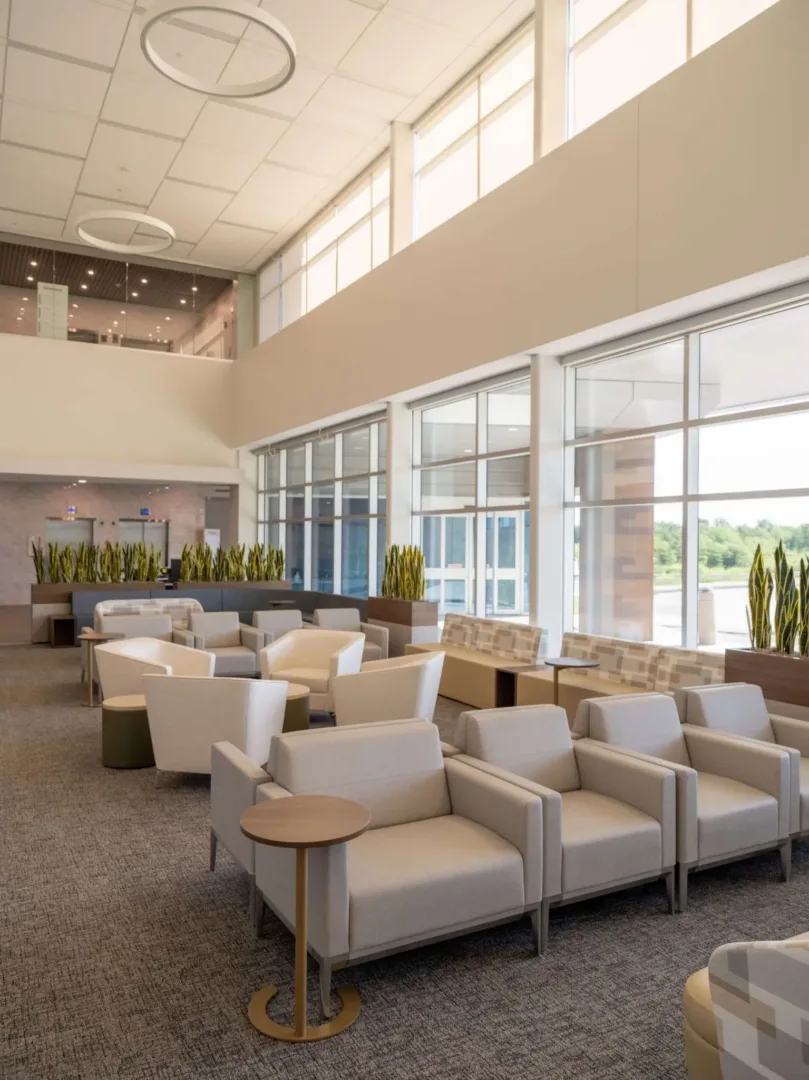
Selecting the right healthcare office furniture starts with understanding how each space is used. Reception areas, exam rooms, administrative offices, and break rooms all have different demands. The pieces in each area should match the way your team and patients use them throughout the day.
Function and comfort should guide every choice. Reception chairs need to support patients of all sizes, including patients with mobility needs. Staff desks should provide enough surface space for technology, paperwork, and clinical tools. Storage solutions must keep supplies organized and easy to access at a moment’s notice.
An experienced team makes a real difference at this stage. Our team brings deep knowledge of how healthcare spaces are used each day, from the busy front desk to private treatment rooms. Practices looking to build or refresh their workspace can find new furniture for their business that meets both functional and visual goals.
What Common Mistakes Should You Avoid During Healthcare Office Planning?
Several common mistakes can slow a healthcare practice down or create added costs over time. Recognizing these issues early helps your team plan with greater confidence and protects your budget.
The sections below cover the most common pitfalls to watch for during your project so your office is set up for long-term success.
Underestimating Space Requirements
Medical practices often need more storage, staff workstations, and patient flow accommodations than initially expected. Poor space planning can quickly create operational inefficiencies that affect daily care.
A thorough review of your needs at the start helps avoid this problem and supports smoother operations. Mapping out the office layout early gives your team room to plan with greater accuracy.
Failing to Plan for Future Growth
Expanding services, increasing patient volume, or adding providers may require added flexibility. Offices designed without scalability can become outdated faster than expected.
Building flexibility into your plan now prevents costly redesigns later and protects your investment. Modular furniture and adaptable layouts make future changes much easier to manage.
Using Generic Office Design
Healthcare spaces require specialized solutions that address privacy, accessibility, compliance, and operational needs. A generic office layout often misses these requirements and creates problems for both staff and patients.
Medical office space planning should always reflect the specific demands of healthcare delivery. A tailored design supports better care and a stronger experience for everyone in the building.
Overlooking Staff Workspaces and Ergonomics
Patient areas often get the most attention, and staff workspaces can be neglected as a result. Comfortable seating, adjustable desks, and properly positioned equipment support better morale and stronger performance.
Investing in ergonomic furniture protects your team and helps reduce strain over long shifts. A workspace that supports your staff also supports the patients they care for each day.
Partner With Your Office Connection for Smarter Medical Office Planning
Creating an efficient healthcare office requires experience, strategy, and the right resources. Our team helps healthcare providers design professional medical spaces that support patient comfort, staff productivity, and long-term success. We bring practical solutions to every stage of the planning process.
We offer customized planning solutions, expert furniture recommendations, and healthcare-focused design strategies tailored to your practice’s needs. With 35+ years of experience, our team brings practical knowledge to every project.
If you are ready to improve your healthcare workspace, contact Your Office Connection today. Our team is happy to discuss your project and help you take the first step. Together, we can build a smarter, more functional medical office environment.